The State of Gay TV Today
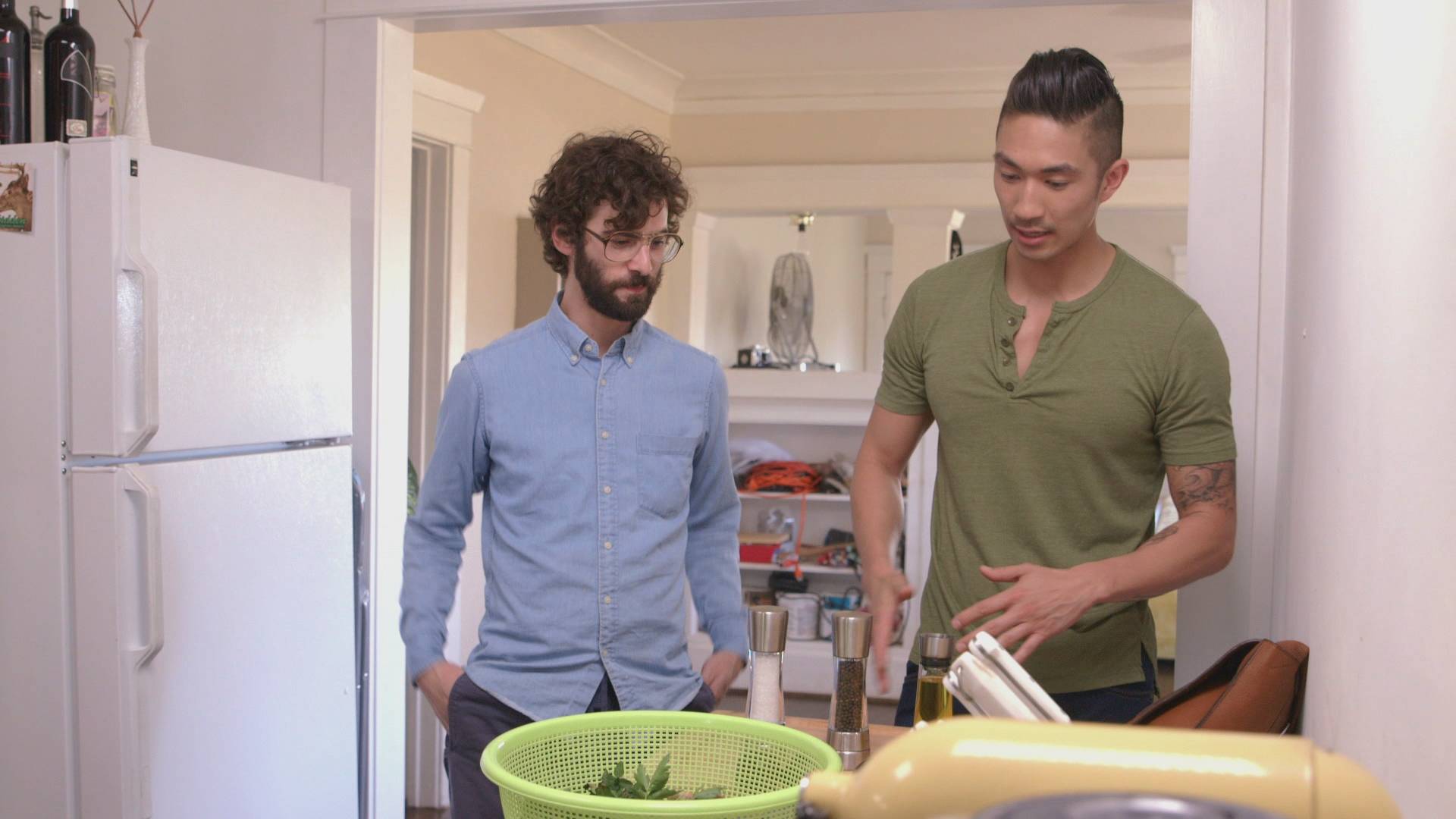
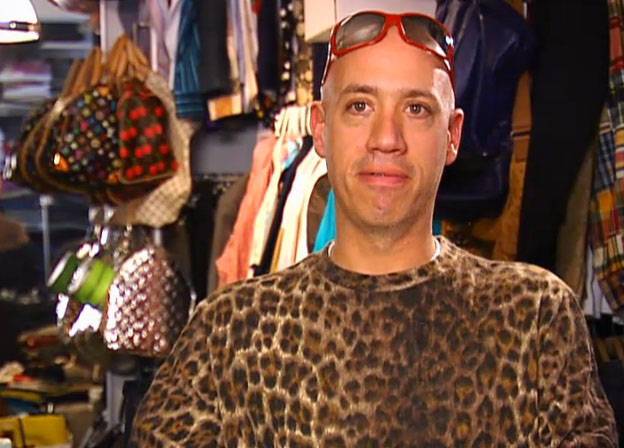
With the growing disparity between the way that gay characters are represented on broadcast television versus cable; actors stepping out of — or getting pushed from — the closet; and recent news of homophobia on the set of a popular show like Grey’s Anatomy, gays with an interest in Hollywood happenings have a lot to talk about these days. In an effort to provide a perspective on gay issues on television from an insider’s perspective, AfterElton.com brought together those in the know for a roundtable discussion about the subject. We gathered actor Jack Plotnick (Xandir on Drawn Together and Steve Morris on Lovespring International), Bryan Fuller (writer and executive producer for Heroes), Damon Romine (entertainment media director for GLAAD) and Michael Jensen (editor of AfterElton.com) to discuss their views on what’s gay on-screen. (Television writer and blogger Rod McCullom was also scheduled to participate, but was prevented from doing so by technical difficulties.) Michael Jensen: On AfterElton.com, a lot has been said about the good and bad representation of gay men on television. Right now, it’s not that great on the broadcast networks. It’s considerably better on cable. Briefly, could you all comment on how the situation looks from your point of view? Would you like to start, Jack? Jack Plotnick: Me? Well, I’m Xandir on Drawn Together. To be honest, I don’t really watch a lot of regular TV because I’m not that interested in it. Reality TV is where all the gays are. As for that, I think we’re well-represented. I would chime in and watch some of the bigger gay characters, like on Will & Grace, but I feel like because I’m surrounded by so many gay guys every day, I don’t really know how to answer [questions about representation on TV]. Jensen: Jack, on Drawn Together you play Xandir, who is gay, but you play straight for your role on Lovespring International. Has being an openly gay actor ever hindered your career? Plotnick: Well, there’s a general lack of gay characters on dramas, I think. … I kind of left the world of auditioning for parts to create my own. Part of that is because everyone wants to see young, attractive, straight people flirting. I don’t really think of myself as a gay actor so much as a character actor, so I think in that sense there’s plenty of roles. Bryan Fuller: I definitely think that there is a lack of representation in scripted TV for gays and lesbians. Like Jack said, there’s an abundance of gay people on reality shows. You can’t throw a cat without hitting one. But as for scripted TV, I feel like there’s this kind of red-state paranoia about appearing to be supportive of the gay community. Like, a magazine might have an advertisement featuring two gay men kissing, and then [for certain audiences] it’s switched out for one of them just standing by each other because the publication takes caution. And then on TV, gays are sometimes presented as Stepin Fetchits. They’re these broadly drawn characters, and they’re funny and silly, and we don’t see them as sexual. It’s like, “Wouldn’t he be fun to sit next to at a party and chat?” But then they’d rather not see him with a penis in his mouth. It's something that happens when you start showing minority groups on TV. We saw it with blacks, Asians and now with gays. There’s a caution we’re aware of — a resistance. And we have to be aware of the resistance when it comes from the people paying the bills [e.g., networks]. Of course, there are some companies that embrace the gay demographic because they realize there’s a lot of money to be made there. But we still have a way to go yet. Damon Romine: There’s been kind of a lot of anticipation this year, from all the visibility from Brokeback Mountain and Transamerica and a lot of discussion about [gay people’s] lives on TV with the election and all. If you look at the numbers of scripted characters on TV, though, LGBT characters only represent 1.3 percent of all characters currently on broadcast networks. That’s pretty low and not representative of us at all. There is Brothers & Sisters, however, which is telling an incredible and inclusive story, especially in comparison to what else is on. And there’s The Class, which has a leading gay character. And gay characters are fairly well-represented on unscripted shows. As far as gay and lesbian youth, there’s been improvement, with shows like Desperate Housewives and The War at Home and South of Nowhere, which features two teenaged lesbian characters. Even on daytime television, on shows like General Hospital and All My Children, the gay characters are members of the family. … In all the 50 years [of daytime soap operas], this is the first time that they’ve included gay characters [as] core members of the central family. [Editors note: All My Children just introduced a transgender character on the show.] Now that that’s happened, it will be hard to get rid of them. Plotnick: They’ll find a way. [Laughs.] Romine: Well, usually with gay characters on soap operas, they’d have their story lines around for a week or two, and then they’d go away. Bianca on All My Children is the daughter and one of the main characters on the show now. Of all the people on the show, she’s kind of considered the moral compass. And when you have a gay character and make her the moral compass, that’s really important. Submitted by on Thu, 2006-12-07 00:00. |
User login![]() Recent blog posts
Put AfterElton.com headlines on your site/blog: |


Recent comments
30 min 6 sec ago
1 hour 34 min ago
1 hour 35 min ago
1 hour 43 min ago
1 hour 46 min ago
1 hour 49 min ago
2 hours 2 min ago
2 hours 10 min ago
2 hours 13 min ago
2 hours 40 min ago