YOUR FAVORITE LOGO TV SHOWS ARE ON PARAMOUNT+
TRY PARAMOUNT+ FOR FREE
Home
Shows
Fire Island
Finding Prince Charming
LGBTQ State of the Union
Logo30
Noah's Arc
Trans Youth Town Hall 2022
ALL SHOWS
Full Episodes
Movies
TV Schedule
Live TV
Shows
Fire Island
Finding Prince Charming
LGBTQ State of the Union
Logo30
Noah's Arc
Trans Youth Town Hall 2022
ALL SHOWS
Full Episodes
Movies
TV Schedule
Live TV
Experience the lives and loves of four queer Black men looking for love and signs of intelligent life in West Hollywood, Los Angeles.
Binge Series
STREAMING FRIDAY, MAY 17
The most iconic queens return for the chance to secure their spot in the Drag Race Hall of Fame.
Learn More
Khasan, Jorge, Brandon, Cheyenne, Justin and Patrick enjoy everything Fire Island has to offer.
Binge Series
Celebrate Asian American and Pacific Islander stories with a collection of TV shows, movies and more.
Explore More on Paramount+
Lesbian surfers in L.A. experience the ups and downs of life while balancing plenty of time to ride the waves.
Binge Series
Logo Laughs
The Big Gay Sketch Show
Gay Skit Happens
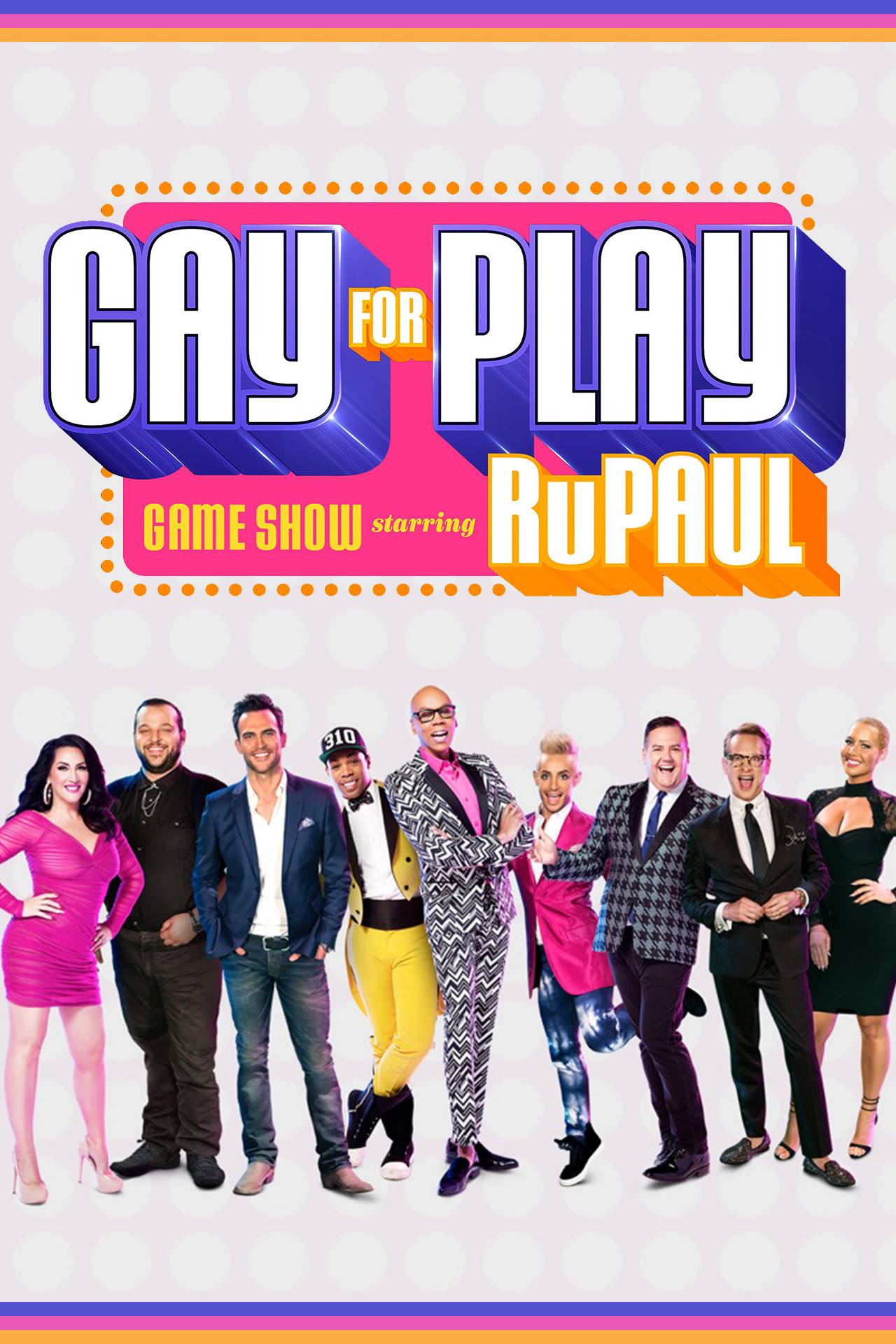
Gay for Play Game Show Starring RuPaul
Jeffery & Cole Casserole
Mental Health Awareness Month
LEARN MORE ALL THROUGHOUT MAY
Take a well-deserved break to check out these frequently asked questions, resources and calming exercises created to educate, uplift and destigmatize the many elements of mental health.
Explore More
Old Classics and New Favorites on Paramount+
Fellow Travelers
Watch on Paramount+
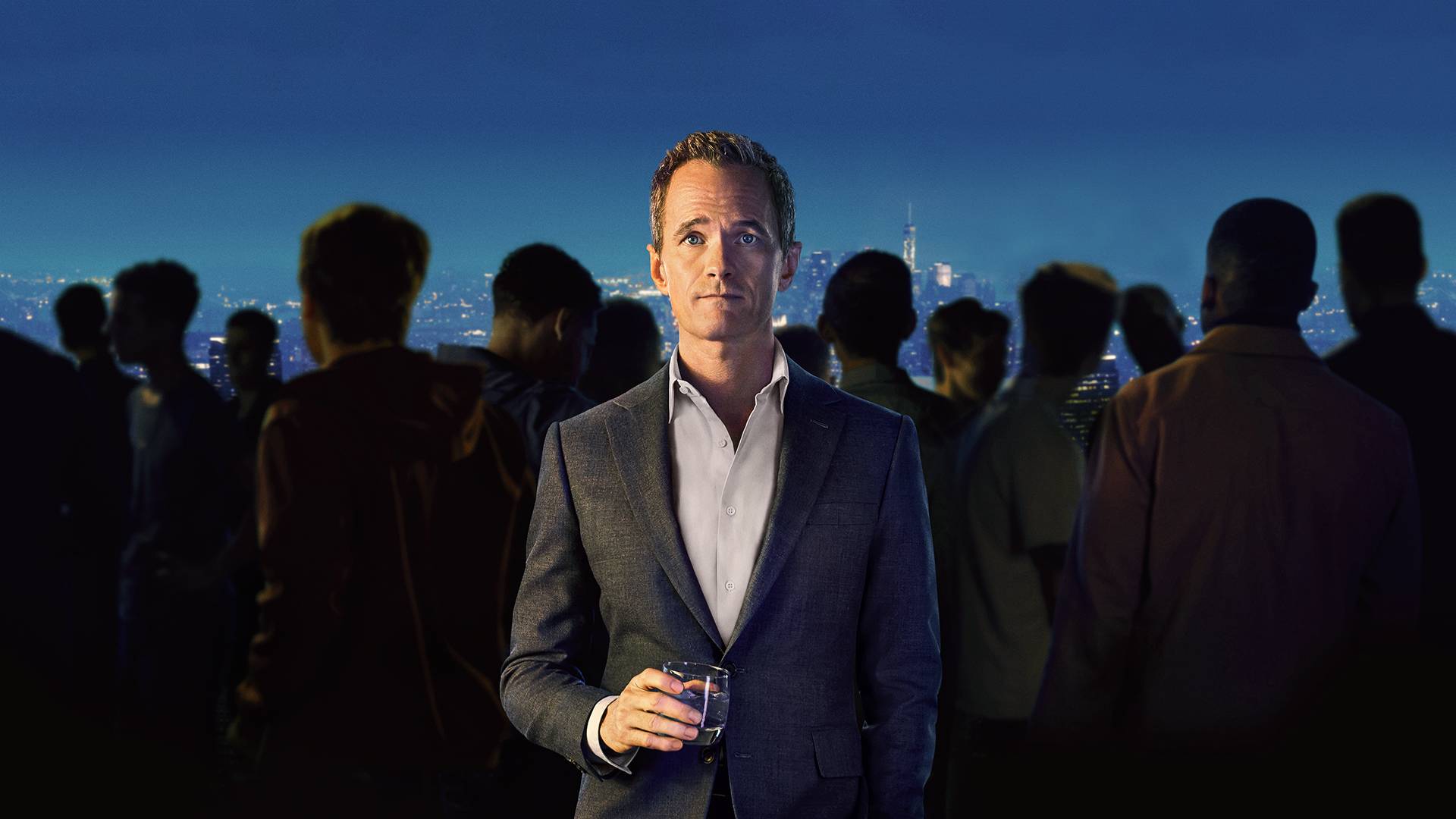
Uncoupled
Watch on Paramount+
LOGO Is on PlutoTV
Stream Hit LOGO Shows Free on PlutoTV
Explore More
Enjoy Now for Free
41:59
S1 • E1
The A-List: Dallas
The Higher the Hair, the Closer to Jesus
Cowboy Levi, Republican Taylor, party boy James, stylist Phillip, dealmaker Chase and their photographer friend Ashley make the Dallas A-list -- boots, drama and all.
10/10/2011
20:30
S1 • E1
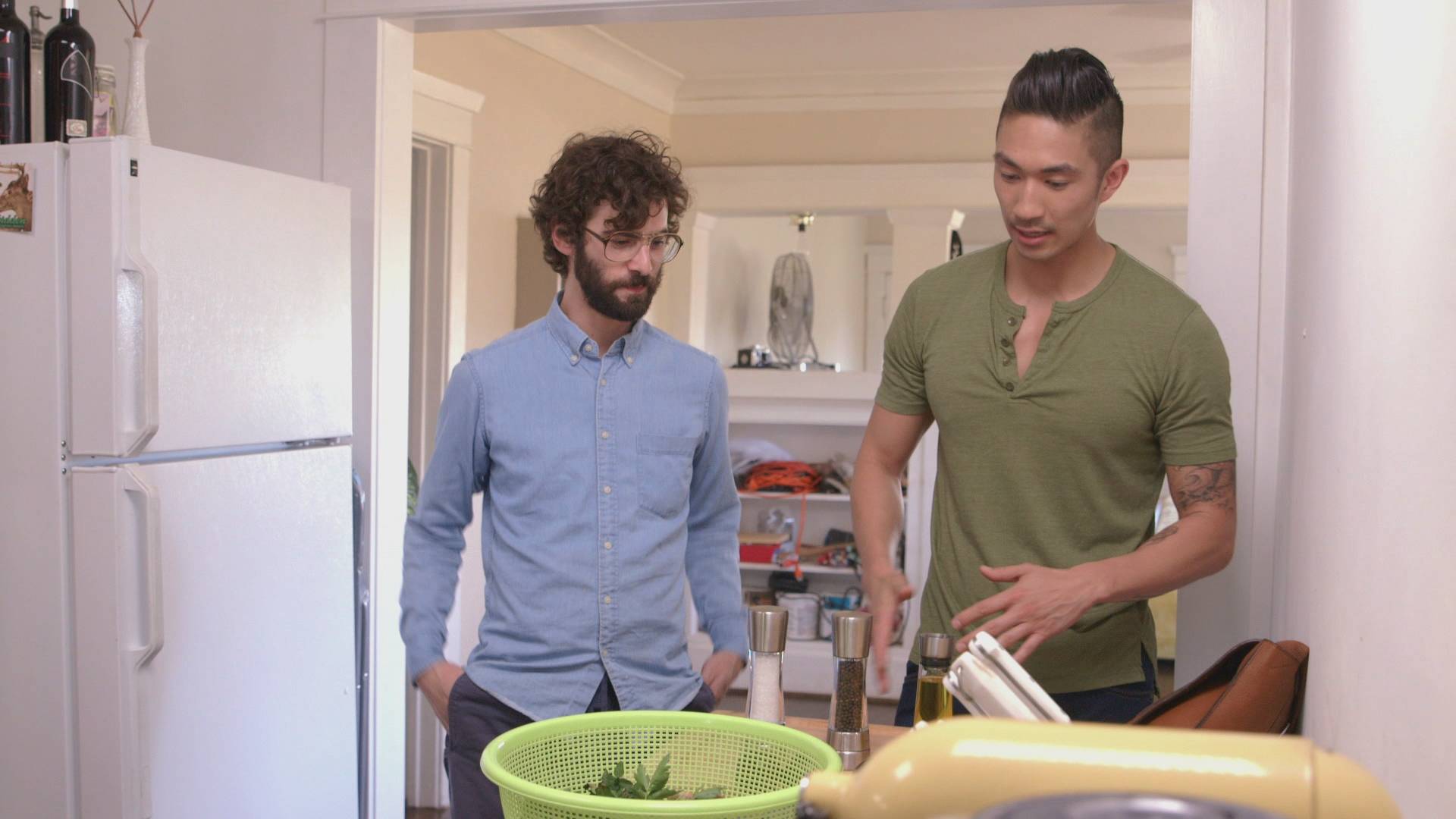
Food to Get You Laid
Thomas and Kate
After an exhausting home renovation, Thomas calls on Chef Ronnie to help him bring some romance back into his marriage with a surprise dinner for his wife, Kate.
09/18/2015
21:00
S1 • E1
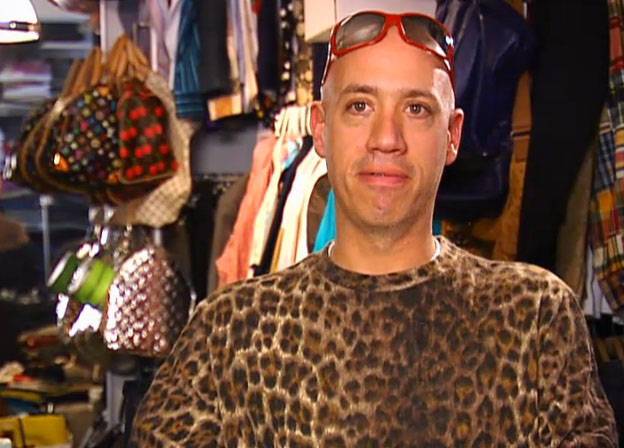
The Robert Verdi Show Starring Robert Verdi
Robert Wants: Children's Character
Robert and his team plan a baby shower for actress Ana Ortiz and set out to create a universally beloved cartoon character for kids.
02/10/2010
About Logo
Since launching in 2005, Logo has blazed a trail as the first commercial cable network made for the LGBTQ+ community, with a diverse collection of content aimed at celebrating queer culture through scripted television, online exclusives and more.