NBC’s Bob Costas Discusses Gays in Sports
On August 23rd at the 2008 Beijing Olympics, Australian diver Matthew Mitcham, the only out gay male athlete at those games, won Olympic gold in men’s platform diving. In doing so, he prevented a gold medal sweep by the Chinese in men’s diving and he did it in most dramatic fashion: winning on his final dive and by posting the highest recorded score ever for an Olympic dive by a man.
Prior to his win, Mitcham had dealt with depression and anxiety, dropped out of competition, only to return and make the Australian Olympic team. When later asked if he was in a relationship, Mitcham disclosed he was living with his partner Lachlan Fletcher. His subsequent triumph at the Beijing Games was the most significant win ever by an out male athlete during the Olympics.
It’s a combination of sports history in the making and moving personal story that usually makes for great Olympic coverage.
Yet during NBC’s two evening’s worth of platform diving coverage, neither Mitcham’s status as the only out gay male athlete, nor his moving personal story was ever mentioned. This dramatic and historic information was instead replaced by the commentators with a vague reference to Mitcham overcoming “personal issues”.
Contacted by AfterElton.com, NBC Sports gave an initial response indicating they had no problem with their coverage of Mitcham, only to later follow up with an apology when we contacted them again.
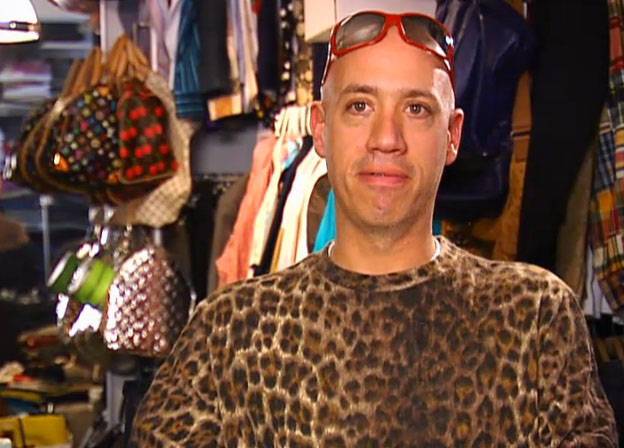
Bob Costas
In this exclusive interview with AfterElton.com, Bob Costas, NBC Primetime Host for the Beijing Olympics and one of the nation’s most respected sports’ broadcasters, discusses NBC’s omissions in the Mitcham coverage, how and when the sexuality of an athlete may merit mention in sports coverage, homophobia in professional sports, and what it might take for a professional athlete to come out.
AfterElton.com: Since Matthew Mitcham was the only out gay male athlete at the games, and it was historic for an openly gay athlete to win such a high profile Olympic event, do you think it would have made a good story or been worth mentioning that fact?
Bob Costas: Yes, I do. I was not focused on it. It wasn’t like I was sitting there thinking, “Gee, I have a chance to get this in.” It was just something that wasn’t on my radar screen to be perfectly honest. But had it been, I would have thought it was a worthwhile thing to mention.
Why it wasn’t mentioned by the people covering the event, that’s up to them to answer. There’s lots of different dynamics, in all these things. So I’m not being critical of them for not mentioning it. But I think – generally speaking – especially if the guy is out…
AE: He had done a big interview a few months before the Olympics. It was clear he was out.
BC: Yeah. Sure. I think it’s a story.
AE: Did you know that he was out, or that he had come out recently, or that he was an openly gay athlete?
BC: I guess I did, in looking over the profiles of many Olympic athletes in the high-profile sports. But it just wasn’t something that I was focusing on while hosting. Because a lot of times what the host does is he’ll comment on the last thing seen before it comes back to the studio. Kind of capture the whole overview. The case is that more often than not, you’re not commenting on every specific individual athlete or medal winner. That’s more done at the venue than by the host. So it just wasn’t something that was in the front of my mind.
Had it been and had the circumstance arisen so it would have played in a way that made sense, and it wouldn’t have been going around six corners to get to it – I would have done it.
AE: Would you have been concerned that maybe this wasn’t something the audience wanted to hear?
BC: No. My concern would be the privacy and the personal prerogatives of the person involved. But if the person is already out, and actually thinks that it’s an issue and worth talking about – like John Amaechi, the NBA player, or Billy Bean the baseball player – why not?
In fact I had Billy Bean on the radio show about a year ago after Tim Hardaway made his comments and they banned him from the All-Star Game.
AE: The commentators mentioned that Mitcham had overcome some personal issues, so clearly they knew or should have known he was an out gay athlete [the fact that he was an openly gay athlete did appear on the NBC website]. Is there a timidity about mentioning it, not just because there may be concern about audience reaction, but because they may feel that it’s an invasion of his privacy even though he had already come out?
BC: That is possible. Although the other thing is they may feel – and this is a reasonable consideration – that going from one dive to the next, and one event to the next, and you’re analyzing the dives and what the standings are, that those circumstances don’t allow for the proper tone and context to treat this properly.
You are here
Recent Comments
-
add a splash
Posted by UptonGirl -
Anya!!!!
Posted by Snicks24 -
Hint from Heloise
Posted by CCWayne -
Super excited about Lestat
Posted by Heydrichmuller -
I also agreed about the "desastroso español"
Posted by Cirpricio
AE on Facebook
Active Forum Topics
-
Describe your sex life with a movie title (19)
Good one!: “*golf claps*...”Posted by Jen-O about 56 minutes ago -
Gay Books - What We're Reading in 2012 (161)
Hmmm, I wasn't aware that: “Hmmm, I wasn't aware that Amazon's descriptions weren't accurate.... but yes, the author deals almost exclusively with gay themes and characters in her books....”Posted by octobercountry about 1 hour ago -
Can't Edit Your Profile? (68)
Ah awesome. It works now.: “Ah awesome. It works now. Thank you so much....”Posted by UKBen about 8 hours ago -
Ta Da! Its Me! - Reveal Your Story To Other AfterElton Readers! (507)
Bittersweet Symphony: “My name is Ian, I am 22 years old, currently living with my mom. I have 3 other siblings, all girls, I am third born. I came from a pretty religious family (at least my mother is). My father died...”Posted by introspective about 10 hours ago -
Snicks quote (2)
Actually, : “. . . it was Kurt....”Posted by MrRuggles about 21 hours ago