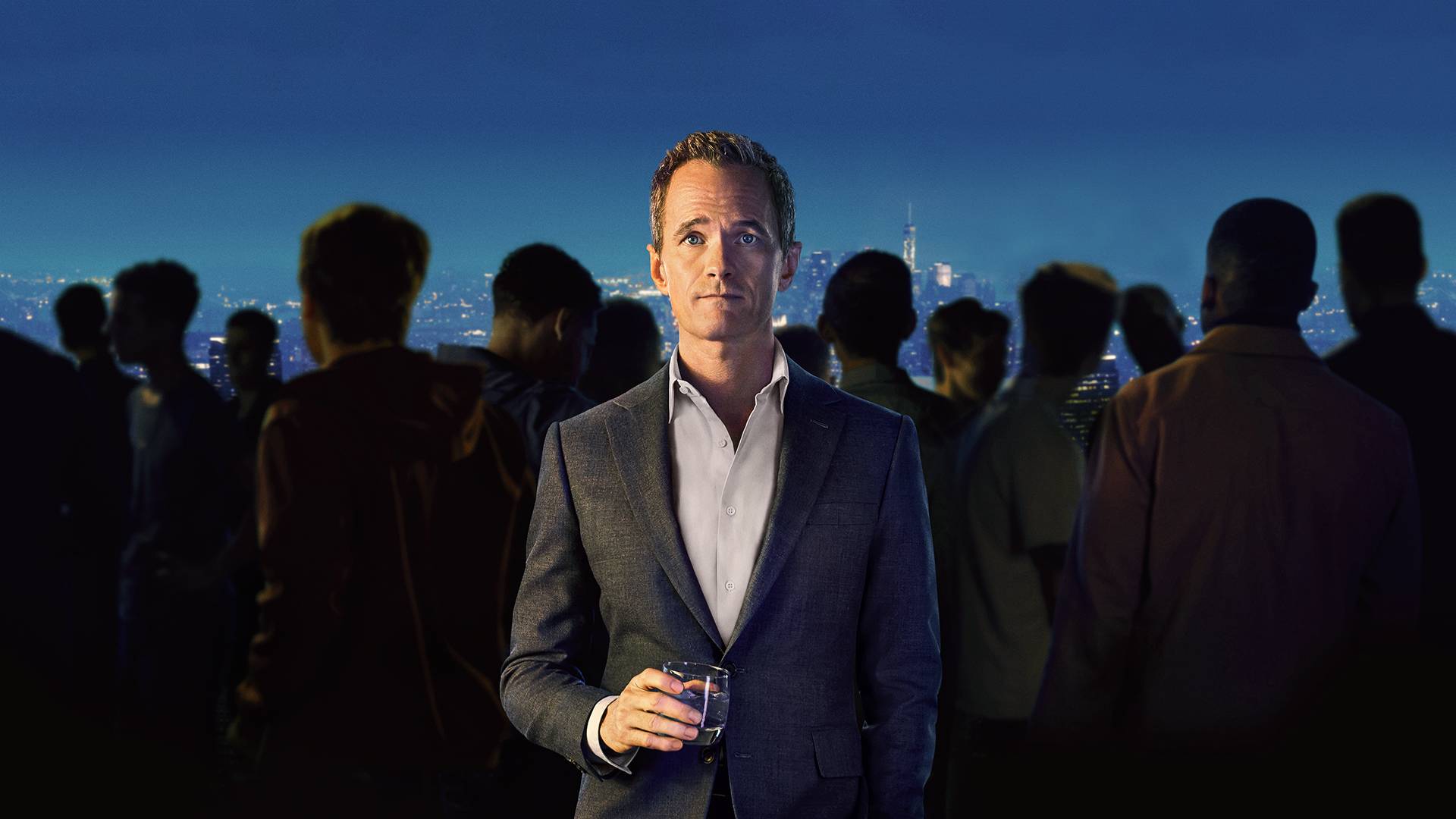
Review of "Some Men"![]() You've Come A Long Way, Babe! That's what Terrence McNally could have called his new play, Some Men, which opened Monday night at Second Stage in New York City. Sandwiched between the beginning and end of the same gay wedding ceremony, Some Men uses a nine-member ensemble cast to show us the ups and downs of 20th century gay life, including a Long Island beach in the 1920s, Harlem in the '30s, Stonewall in the '60s, AIDS in the '80s, all the way through to today's battles over same-sex marriage. The 20th century, it could be argued, was the gay century. The word "homosexual" came into being in the late 19th century and has shaped social relations and our understanding of human sexuality to this very day. Though there have always been homosexuals, the notion that gay men are a distinct category of humans is a very new idea in human history. It's hard to tell which came first — the creation of gays as a distinct social group or the emergence of a distinct gay culture. Whatever the case, "gay" culture has continued to evolve, and McNally's play takes a step back to look at where we come from. The play and production is most vivid and striking in the areas that are nearest and dearest to McNally's heart and history, and slip into murky grey waters in the areas that he seems less invested in or is less knowledgeable about. At the play's opening, gay men in the present day file into the Waldorf Astoria for a gay wedding ceremony. Characters represent a range of gay identities in the new millennium: an interracial (black/white) couple, a recently out gay dad and his partner, a fashionista, an older "queen" and a portly older man anxious about aging in a youth-obsessed culture. From this contemporary setting — a wedding — we are supposed to locate ourselves, the gay audience, amid this spectrum of identities. Are you already married? Wanna get hitched but have a reluctant boyfriend? Go to weddings just to cruise? Or are you old enough to remember when the Waldorf was the place where rich, closeted men would have assignations with hustlers? Of the latter ilk, Aaron (Don Amendolia) says, "When did I become the oldest person everywhere I go?" Age is but one of the different tensions that Some Men explores in our community; rich and poor, butch and femme, out and closeted are also dealt with as we traverse different eras in history. But McNally is best when working in the latter part of the 20th century. The most powerful scene in the play takes place on the night of Stonewall, but not with the poor drag queens, people of color and transgender folks who launched the days-long riot in the summer of '69. The beautifully written scene takes place in a nearby bar with a group of show tune-singing queens who are laughing it up and bemoaning the loss of Judy Garland as the riot outside begins to unfold. In walks Roxie, a drag queen flawlessly played by David Greenspan, who is as unwelcome in this snooty group as the other queens are outside. Roxie forces her way into the joint and forces these queens to deal with the reality of life for those not inside the rainbow when she delivers a stunningly simple version of "Somewhere Over the Rainbow." If you've never really thought about the words of this song before, you will never hear it the same way again after Roxie sings it. Submitted by on Mon, 2007-03-26 17:43. |
![]() Recent Comments
Recent blog posts
|